


Maintenance and service
We provide a warranty and accessible post-warranty service for hot tubs. Spare parts are in stock. Our technician will come directly to you.

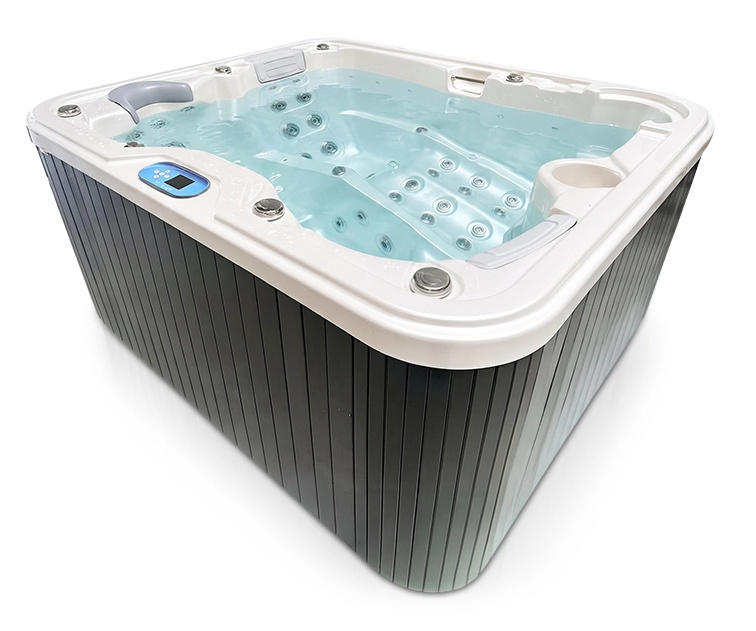
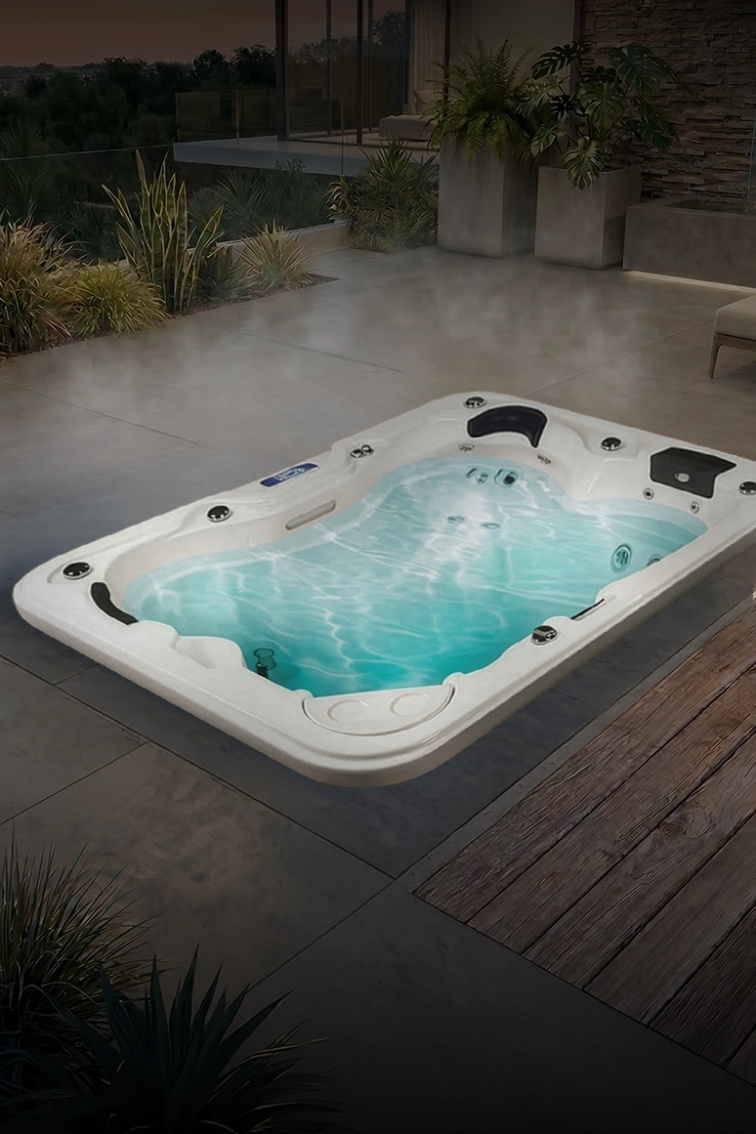
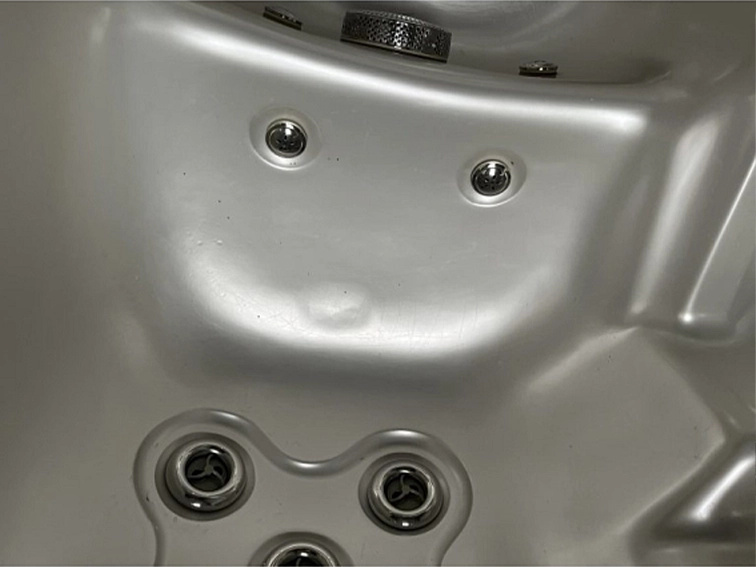
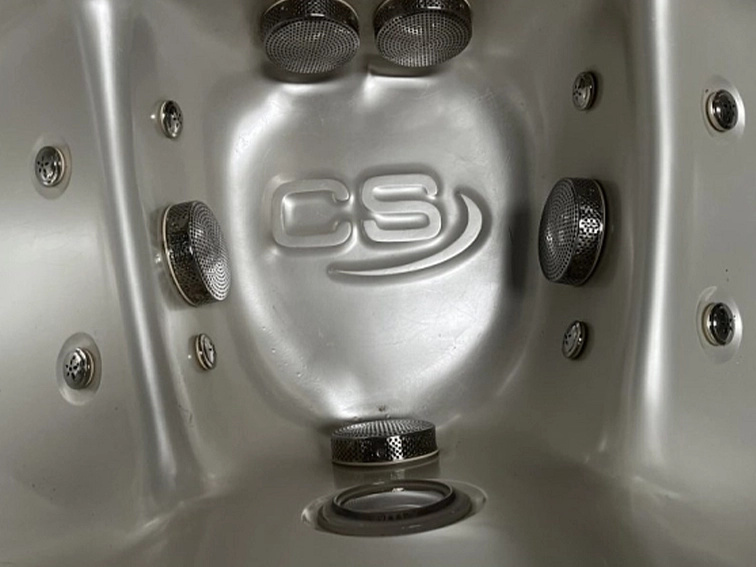
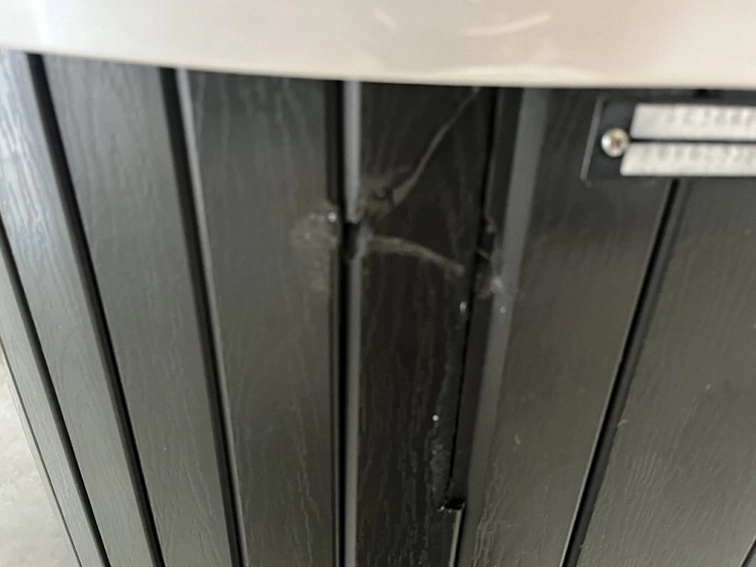
Treat yourself to the luxurious Puerla hot tub for 3 people in a compact design at a fraction of the original price! This model, with proven American Balboa technology and a Balboa TP900 control panel, has undergone professional servicing. It has been newly fitted with a completely new disinfection system, including piping for maximum water cleanliness, and features a total of 50 stainless steel jets. Minor cosmetic defects on the acrylic and a secured crack on the outer cabinet have absolutely no effect on the 100% functionality, safety, or perfect watertightness of the hot tub. You are getting a tested, deeply cleaned family wellness spa in excellent condition.

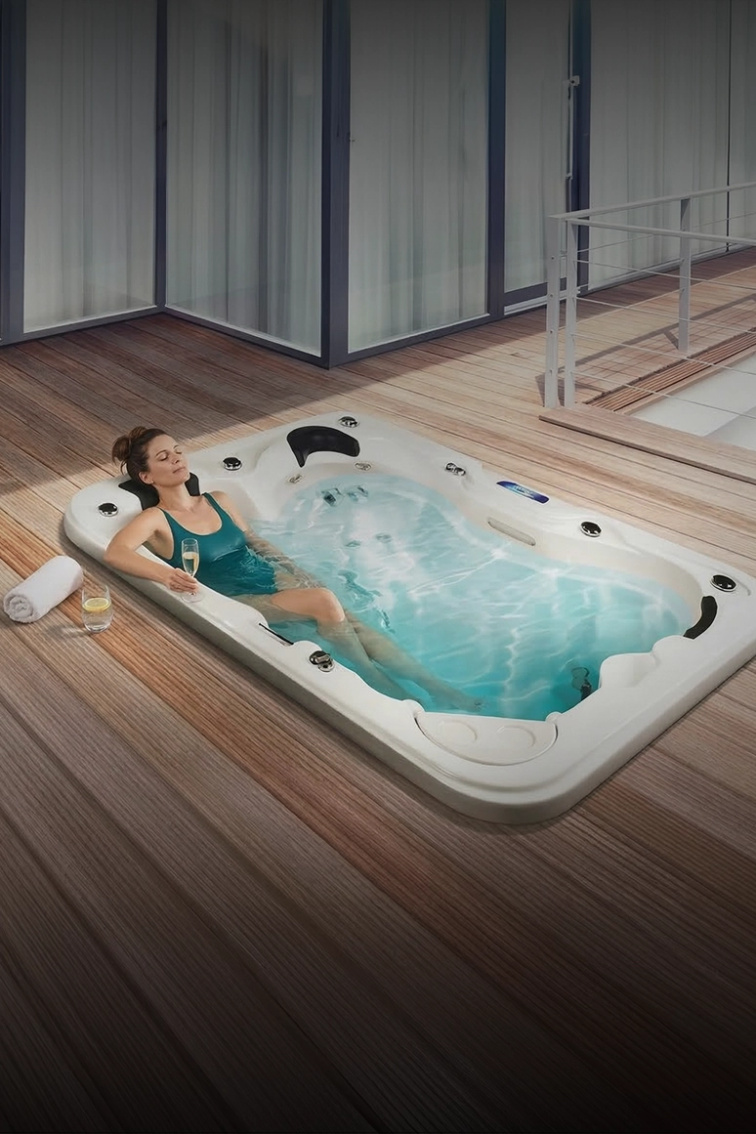
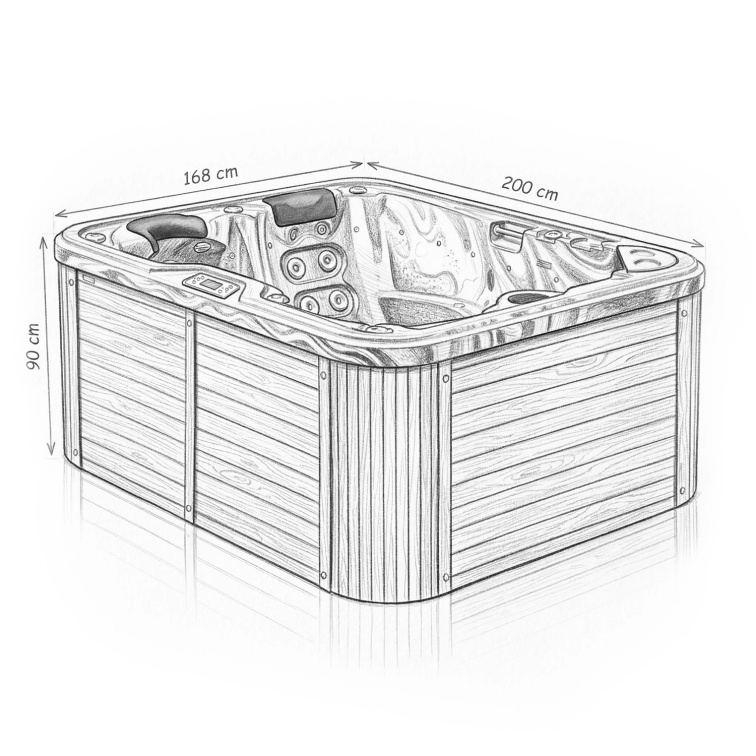
An elegant, space-saving hot tub (200 × 168 × 90 cm) designed for comfortable relaxation for up to 3 people, with 1 deep ergonomic lounger and 2 seats. This particular unit has undergone a complete inspection and deep cleaning in our service department. As part of the maintenance, it received a completely new disinfection system including complete new piping (hose, check valve, hose holder) and one new stainless steel jet. The reliable American Balboa technology with the clear Balboa TP900 control panel has been fully preserved. The hot tub shows only cosmetic defects, which are more than compensated for by the attractive price. In stock for immediate pickup.











Would you like to see the hot tub in person or check the current configuration? Get in touch and we will arrange a no-obligation viewing and prepare a special offer for you.
Contact us
| Category: | Renewal hot tubs |
|---|---|
| Warranty: | 1 year |
Be the first who will post an article to this item!


