


Maintenance and service
We provide a warranty for hot tubs and accessible post-warranty service. Spare parts are in stock. Our technician will come directly to you.

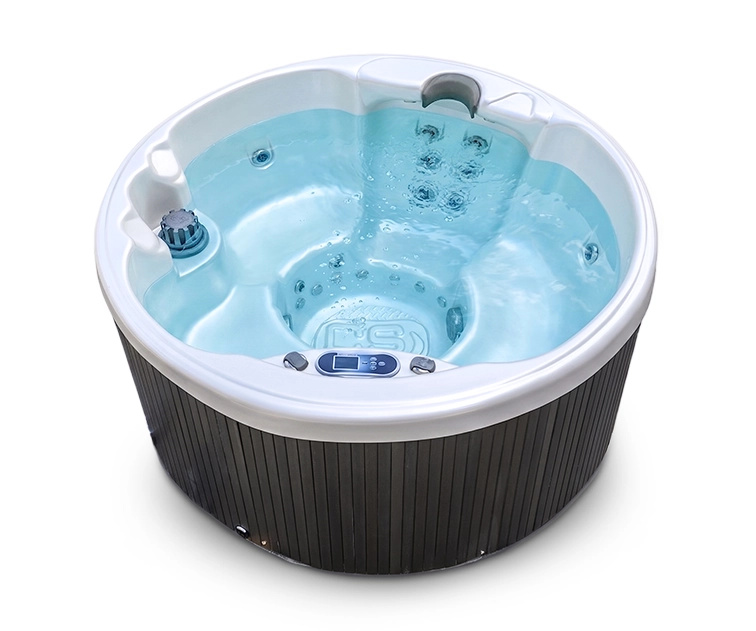
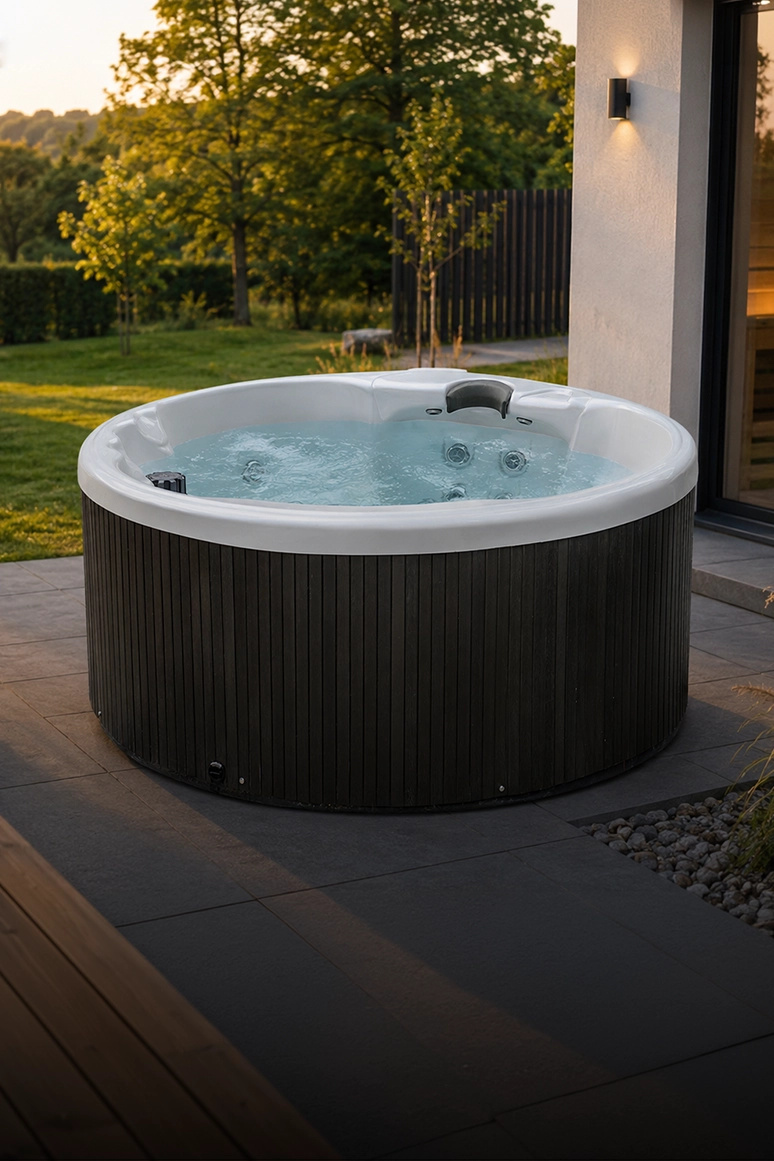
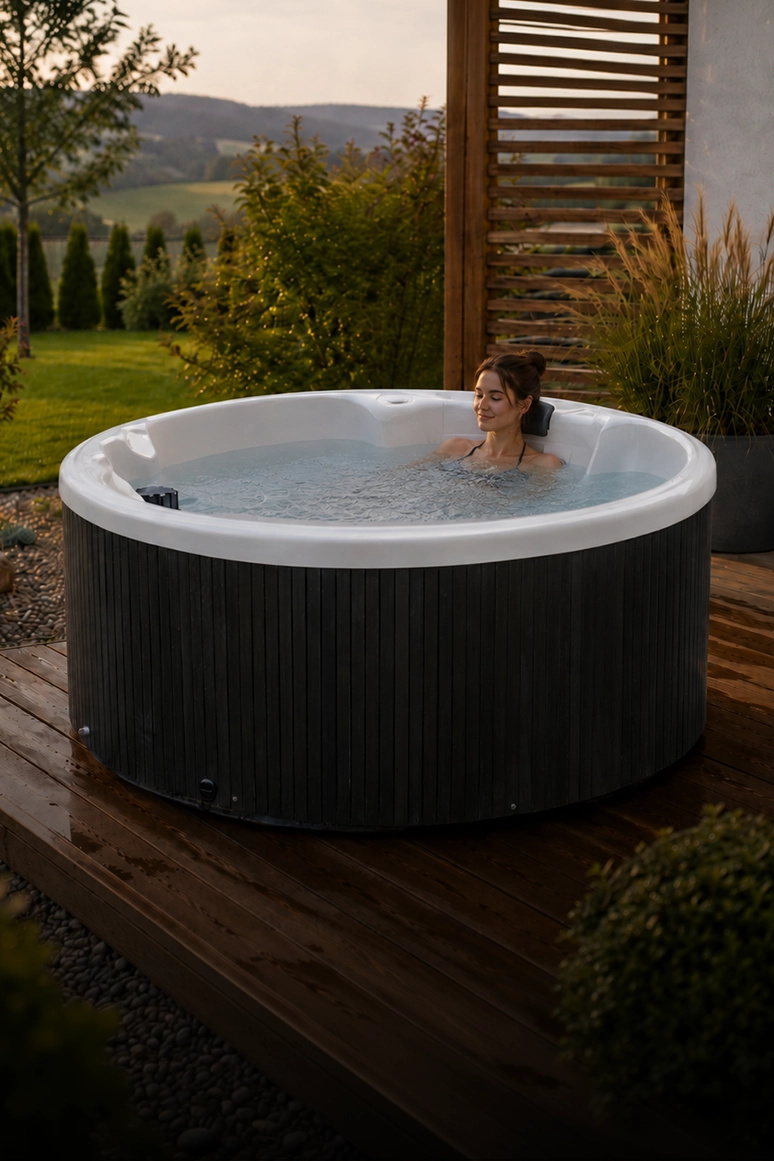
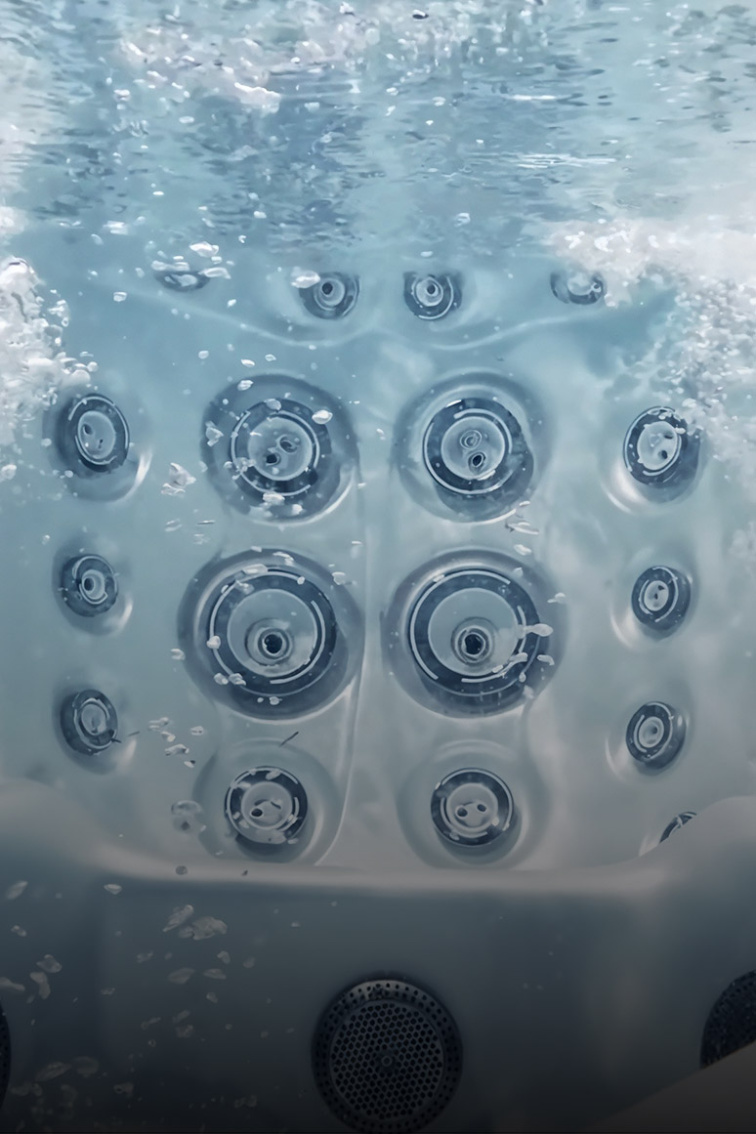
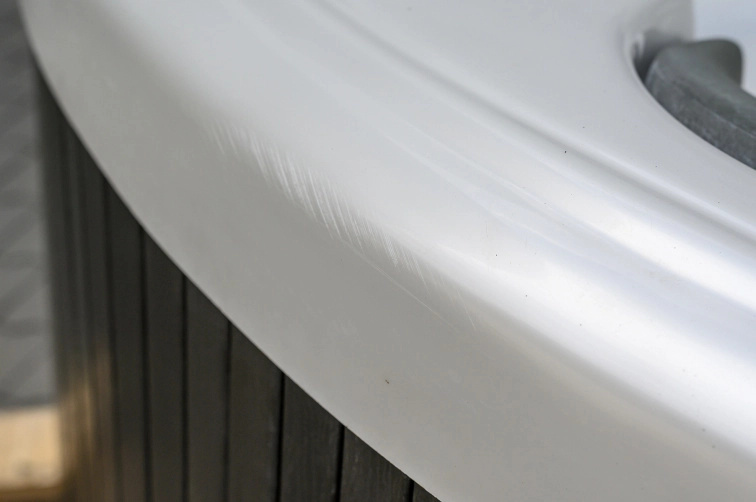
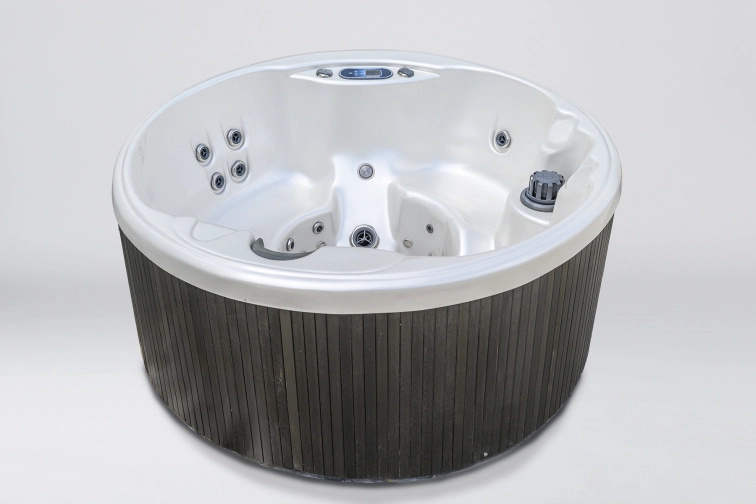
Are you looking for a reliable family hot tub for 5 people at a fraction of the original price? This unit has undergone an in-depth refurbishment. It received a completely new modern Balboa BP21 G1 control unit, a new structure under the technology area, and 12 new air jets. A major bonus is the brand-new outer cabinet made from Isoplank material, custom-made by hand. Minor osmosis and fine scratches on the acrylic have absolutely no effect on the 100% functionality or perfect watertightness of the hot tub. You are getting a deeply cleaned wellness spa with expertly refreshed technology.

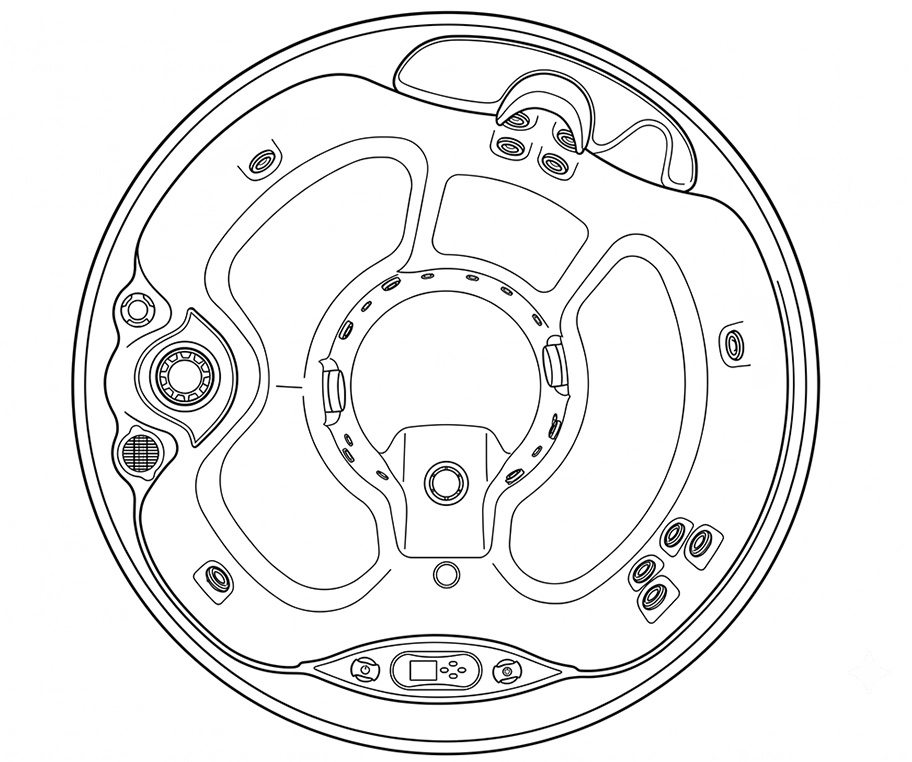
is a popular, perfectly designed family model with capacity for 5 people. This unit has undergone a complete refurbishment in our service centre, during which it received a brand-new modern Balboa BP21 G1 control unit and completely new Isoplank exterior cladding, handmade to measure. The air circuit has been fitted with 12 new blower jets and the hydraulic system received a new circulation jet. The original Balboa TP900 touch panel and blower have been retained. The hot tub has undergone a two-day deep cleaning process at 39 °C, has been fully tested and is ready for immediate collection.



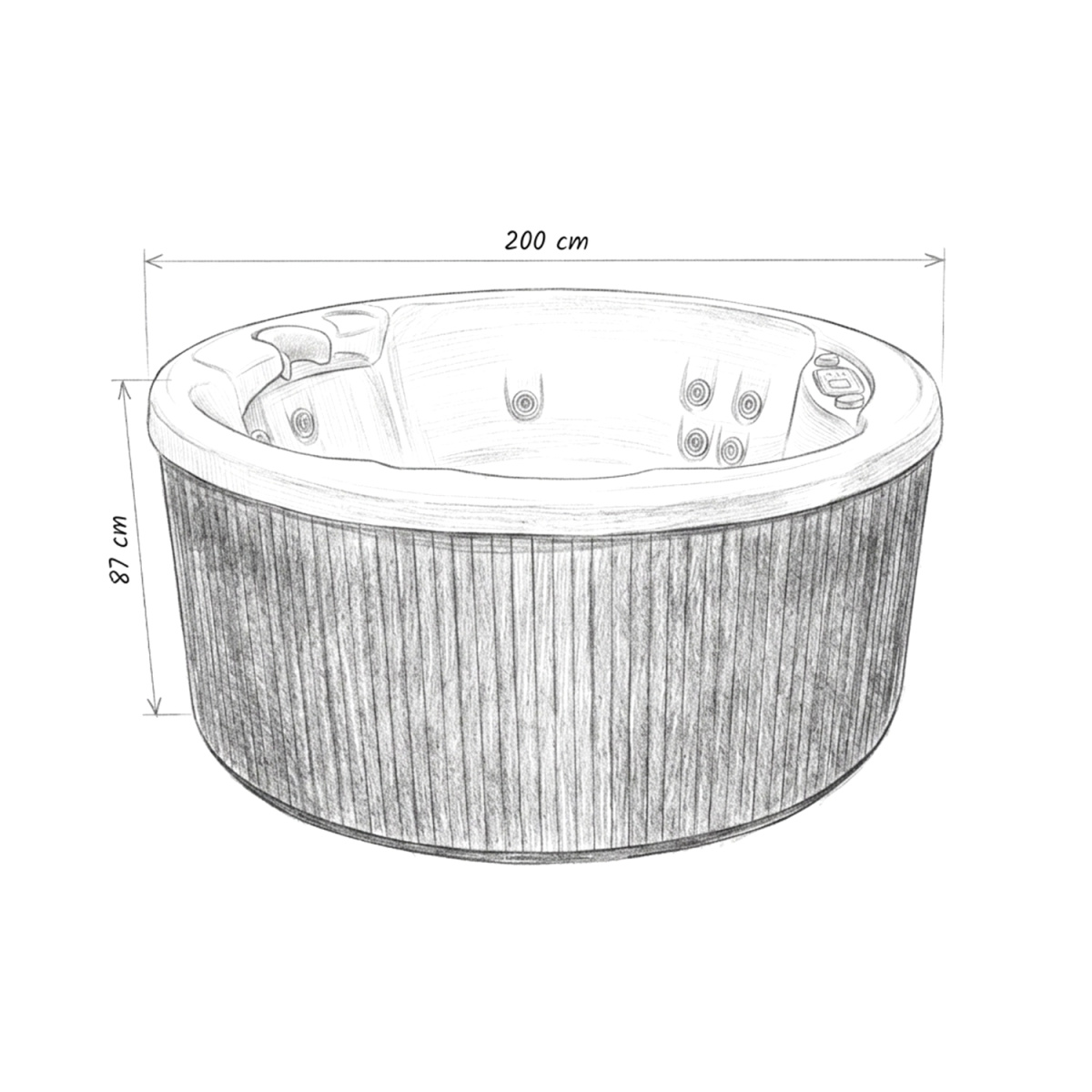







Would you like to see the hot tub in person or check the current configuration? Get in touch and we will arrange a non-binding viewing and prepare a special offer.
Contact us
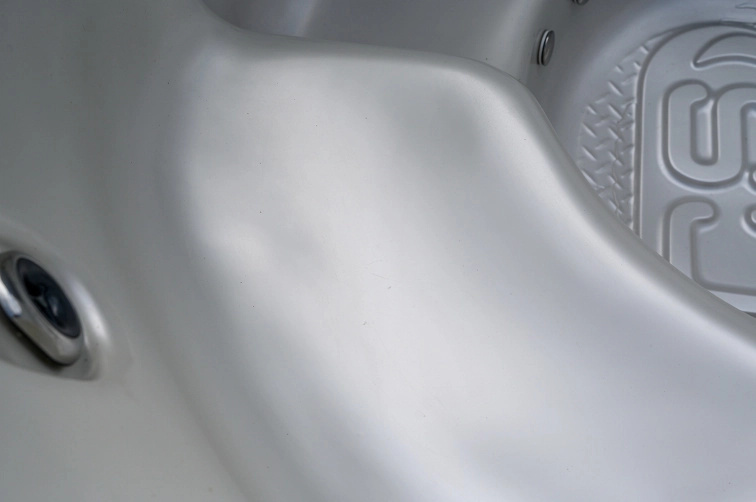
This hot tub is in excellent technical condition, but it has common cosmetic imperfections that do not affect its function.
| Category: | Renewal hot tubs |
|---|---|
| Warranty: | 1 year |
Be the first who will post an article to this item!


