
Water quality adjustment
The treatment of water quality in a hot tub, swimspa or swimming pool includes a number of measures to maintain the cleanliness and safety of the water. These measures are necessary to ensure the optimal functioning of the device and to provide a hygienic and comfortable environment for users.


Product sorting
List of products
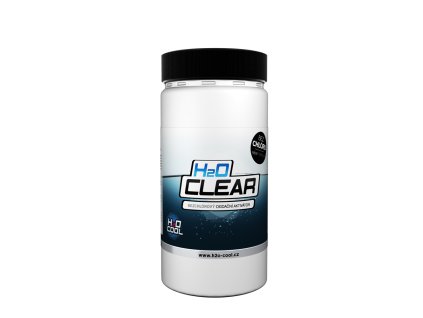
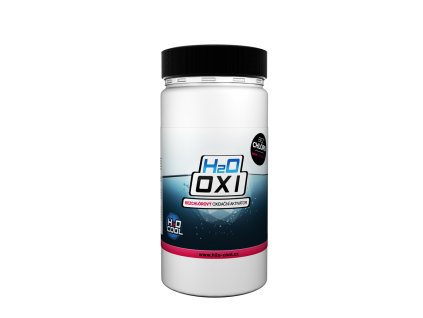
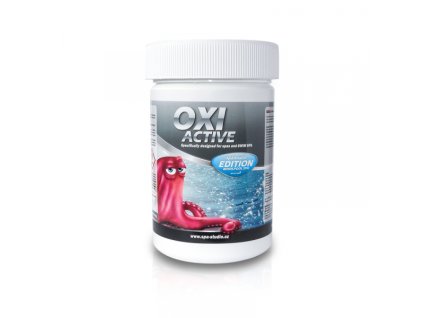


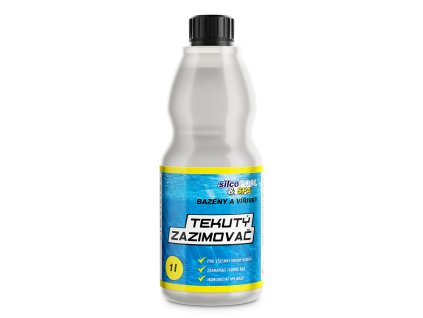

Listing controls
Key aspects of water quality management:
-
Regular testing: Monitoring chemical levels in water is an essential step in maintaining proper water quality. The use of test kits for measuring pH, alkalinity, water hardness and the level of disinfectants (chlorine, bromine, etc.) allows a quick reaction to possible deviations.
-
Adjustment of chemical levels: After the tests have been performed, it is important to adjust the chemical levels so that they are within the recommended limits. This includes:
- pH balance: Keeping the pH of the water in the optimal range (usually between 7.2 and 7.8) is crucial for user comfort and the effectiveness of disinfectants.
- Alkalinity and water hardness: The correct level of alkalinity (80-120 ppm) and water hardness (150-250 ppm) prevents equipment corrosion and mineral deposits.
-
Cleaning the filters: Regular cleaning and replacement of filters is essential to remove impurities and ensure proper water flow. Clogged filters reduce the efficiency of the filtration system and can lead to water quality problems.
-
Debris removal: Using nets and vacuum cleaners to remove leaves, insects and other debris from the surface and bottom of the hot tub or pool. This step is important to prevent filter clogging and keep the water clean.
-
Disinfection: Using disinfectants such as chlorine, bromine, ozone or UV light is key to killing bacteria and microorganisms. Regular replenishment of these means ensures hygienic water quality.
-
Shock treatment: Periodic shock treatment (shocking) of water with a strong oxidizer helps break down organic pollution and restore water clarity.
Advantages of effective water quality treatment:
- Hygiene and health: Maintaining clean and disinfected water reduces the risk of infections and allergic reactions, providing a safe environment for users.
- Extending the life of the equipment: Proper treatment of chemical levels and regular cleaning prevents corrosion and mineral deposits, which extends the life of the hot tub or pool.
- Aesthetics: Clean and transparent water increases the aesthetic value of a hot tub or pool, which contributes to the overall experience and comfort of users.
- Cost optimization: Regular maintenance and proper water quality management can prevent expensive repairs and equipment replacement.
Water quality treatment is a complex process that requires regular attention and proper procedures. Following these precautions ensures that the water in your hot tub, swimspa or pool remains clean, safe and comfortable all year round.